H2AI and Suki: The next generation of builders in healthcare AI
April 23, 2026
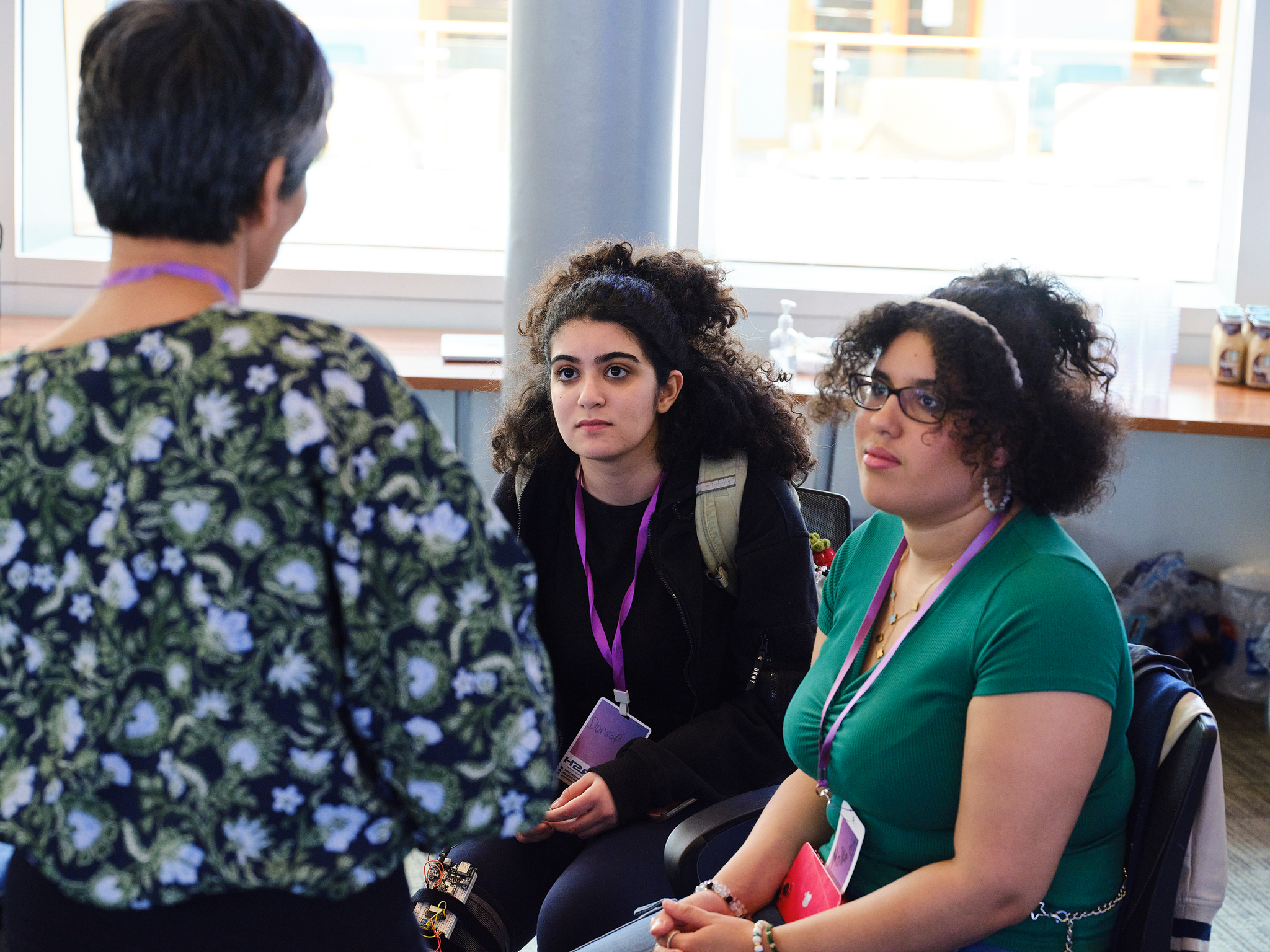
AI is already having a profound impact on healthcare, and we’re just getting started. At Suki, we believe the sky is the limit when it comes to using AI to solve challenging problems in the healthcare space. In the coming decades, it will be up to the next generation of engineers, clinicians, and scientists to uncover groundbreaking new AI solutions.
Schools don’t have a course for “How to use cutting-edge AI technology to develop intelligent healthcare solutions”. The best way to learn that is by doing it. Medical, graduate, and undergraduate students at Georgetown University wanted to create an opportunity for this kind of learning through their 3rd annual Health2AI hackathon.
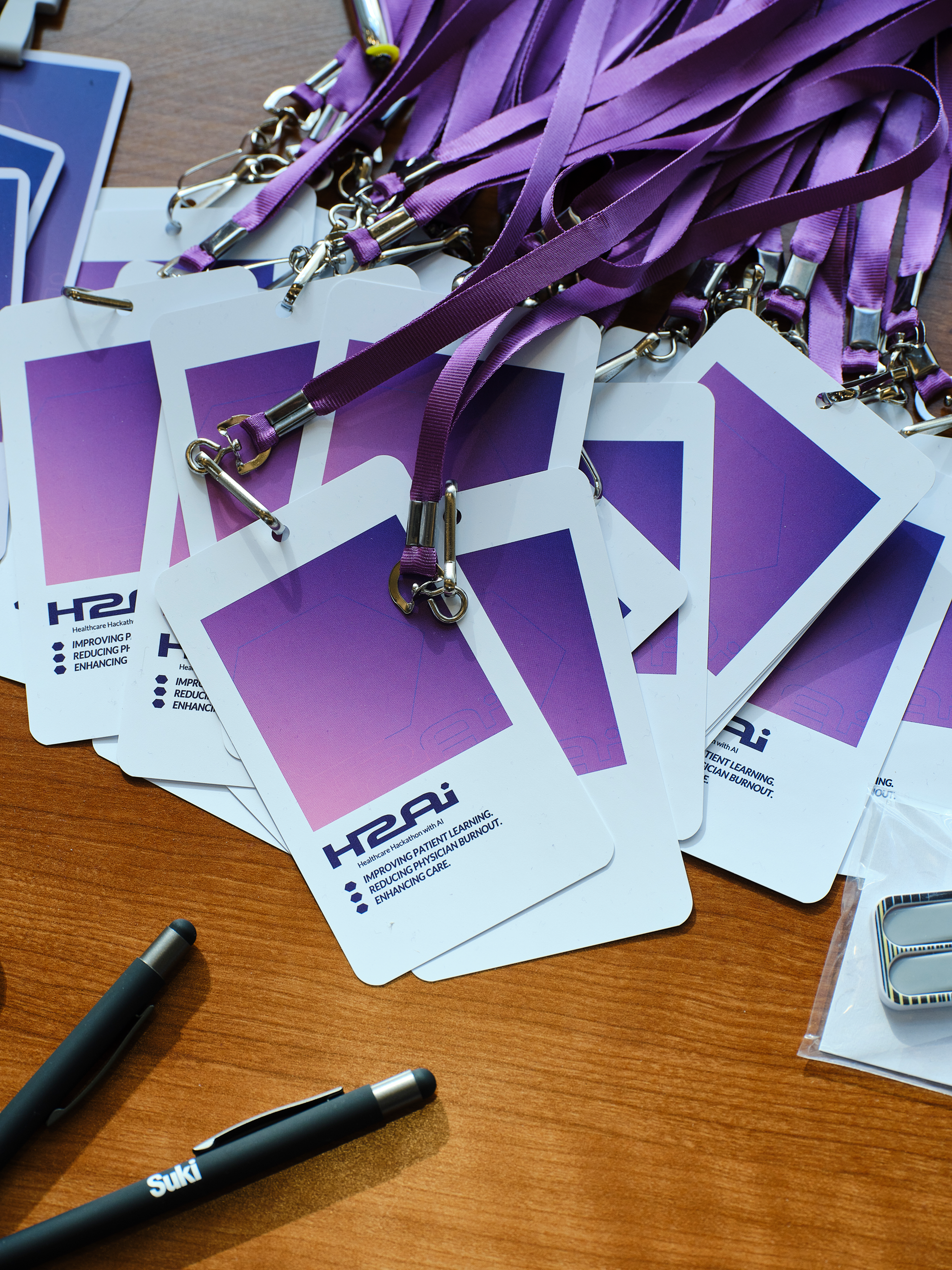
As an AI company working closely with Medstar, the health system affiliated with Georgetown, Suki was invited to contribute. Suki is deeply committed to innovation and science, and we were thrilled to take part in the Hackathon, with Suki engineers, product managers, and clinicians serving as mentors and judges for the Health2AI competition, and Suki’s Medical Director for Clinical Strategy and Research, Dr. Sudha Jayaraman, giving the keynote.
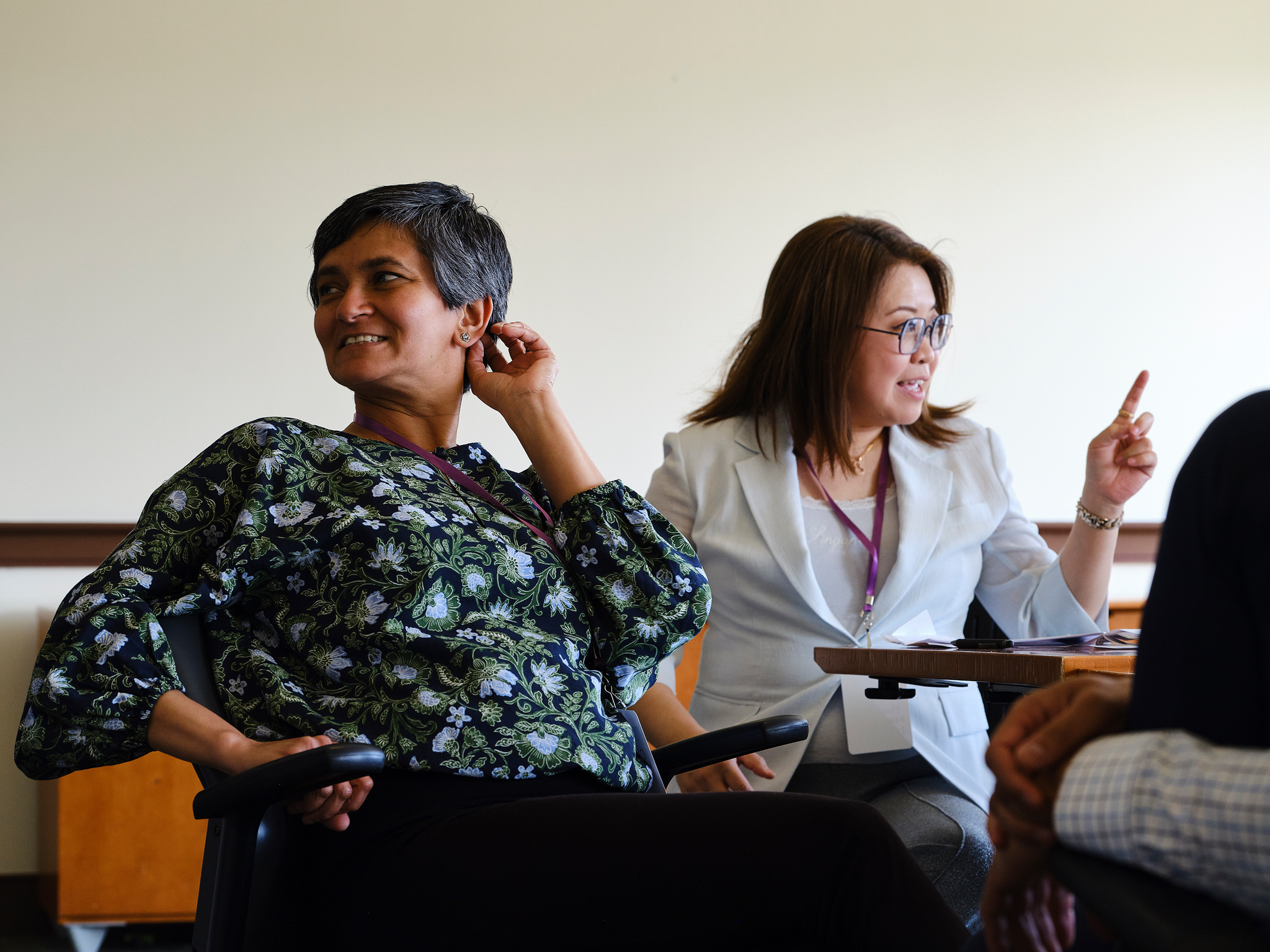
“What makes this such a great event is that students from medicine, engineering, business, and public health come together to tackle complex healthcare challenges, and those diverse perspectives are what elevate a project from technically impressive to genuinely impactful,” says Nika Shroff, Georgetown University Medical Student and H2AI Co-President.
Event
The event started on a Friday evening, when most people would have been off enjoying a glorious spring weekend in DC. A tenacious group of students interested in solving the challenges of healthcare using technology came together in the Fisher Colloquium at the McDonough School of Business at Georgetown.
After Dr. Jayaraman's keynote, “Designing AI for the Messy Reality of Medicine”, the students took a crash course in the fundamentals of healthcare financing, commercialization, and clinical quality, and then were off to the races. Mentors were on standby to advise on technical, product, AI/ML, commercial, and regulatory strategies for each group.
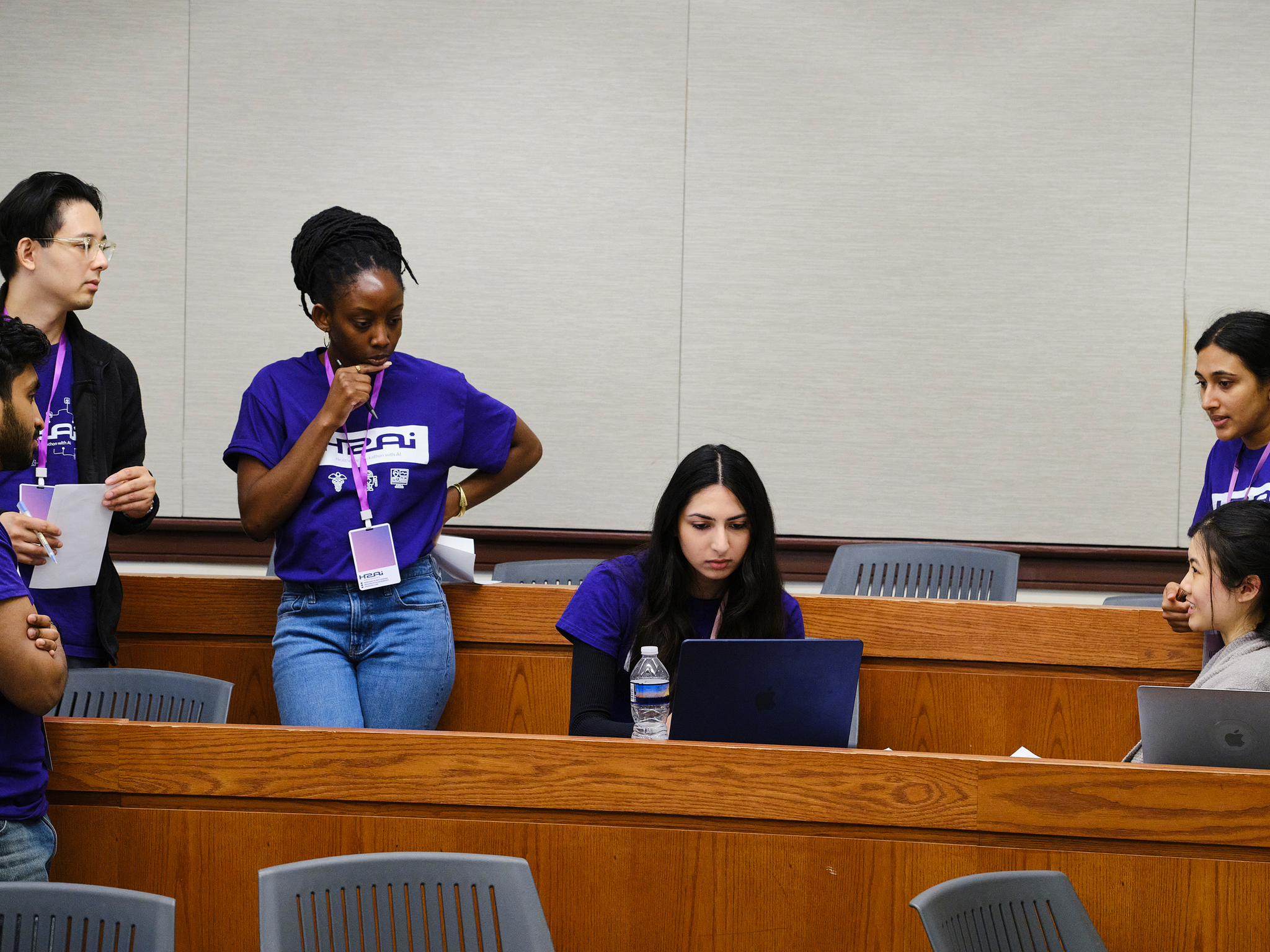
“Healthcare is full of hard, messy, deeply human problems, and that's exactly what makes it such a compelling frontier for AI,” says Dr. Jayaraman. “These students have so much curiosity, rigor, and a genuine desire to help patients. Events like H2AI are an exciting glimpse into the next generation of healthcare innovation.”
Bright and early Sunday morning, the teams submitted their pitches after a long sleepless night of iteration and development. They were sent into rooms with various judges and gave presentations on what they had created over the previous 36 hours. This ranged from a multi-sensor prototype of a knee monitor to help with postoperative recovery between surgical and physical therapy visits, to patient-facing agentic AI to track mental health over time, as well as systems to improve the coordination of prescription medication authorization and approval between clinicians, insurance companies, and pharmacies.
“A major takeaway from this year was the importance of moving beyond assumptions and really understanding the full context of a problem,” said Zahra Ahmad, Georgetown University Medical Student and H2AI Co-President. “The strongest teams engaged deeply with mentors and considered all stakeholders, especially the patient experience and barriers shaped by social determinants of health. That’s what led to solutions that were not only innovative but truly feasible and impactful.”
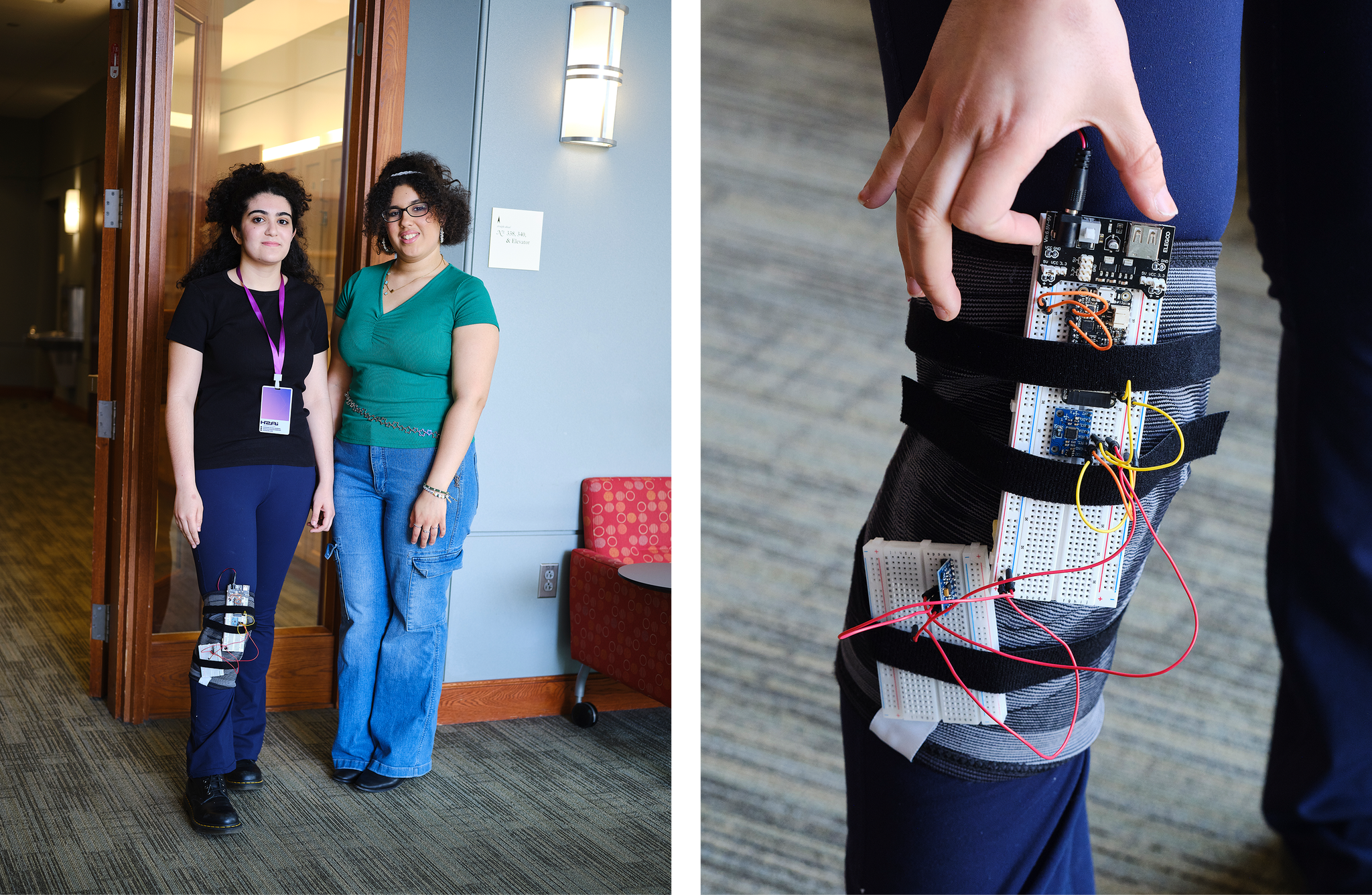
After the first round of presentations, 8 finalist teams were selected to present to the full Hackathon audience. Then judges had the hard work of choosing an overall winner for the $5,000 grand prize, as well as several secondary prizes for tech expertise, entrepreneurship, community, and medication management.
“It was especially exciting to see teams without traditional computer science backgrounds rise to the top,” says Shroff. “Our grand prize went to a team composed primarily of business students, and our People's Choice Award went to one made up of medical students. It says a lot about how AI is lowering the barriers to healthcare innovation, opening the door for all stakeholders to play an active role in the process.”
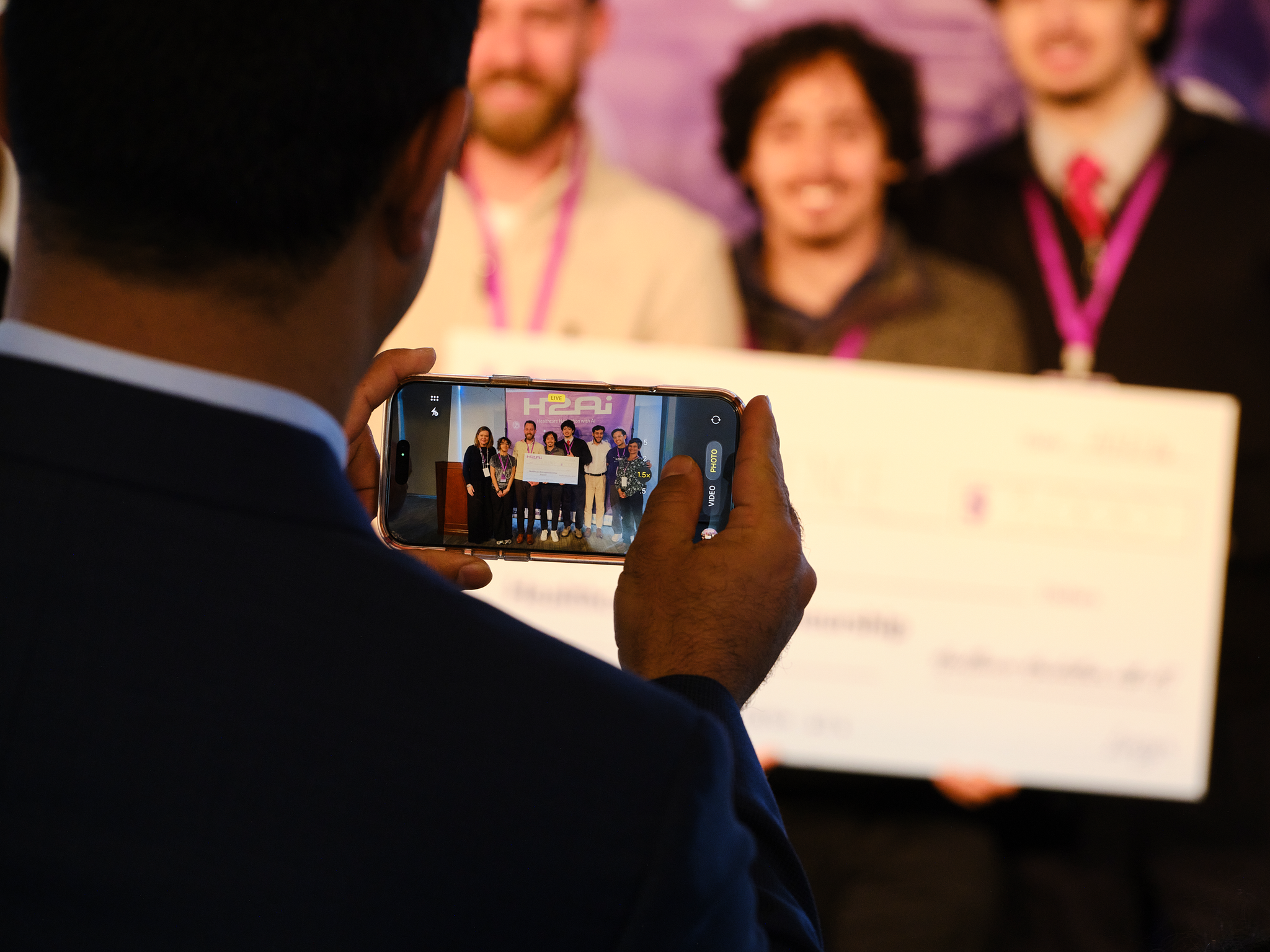
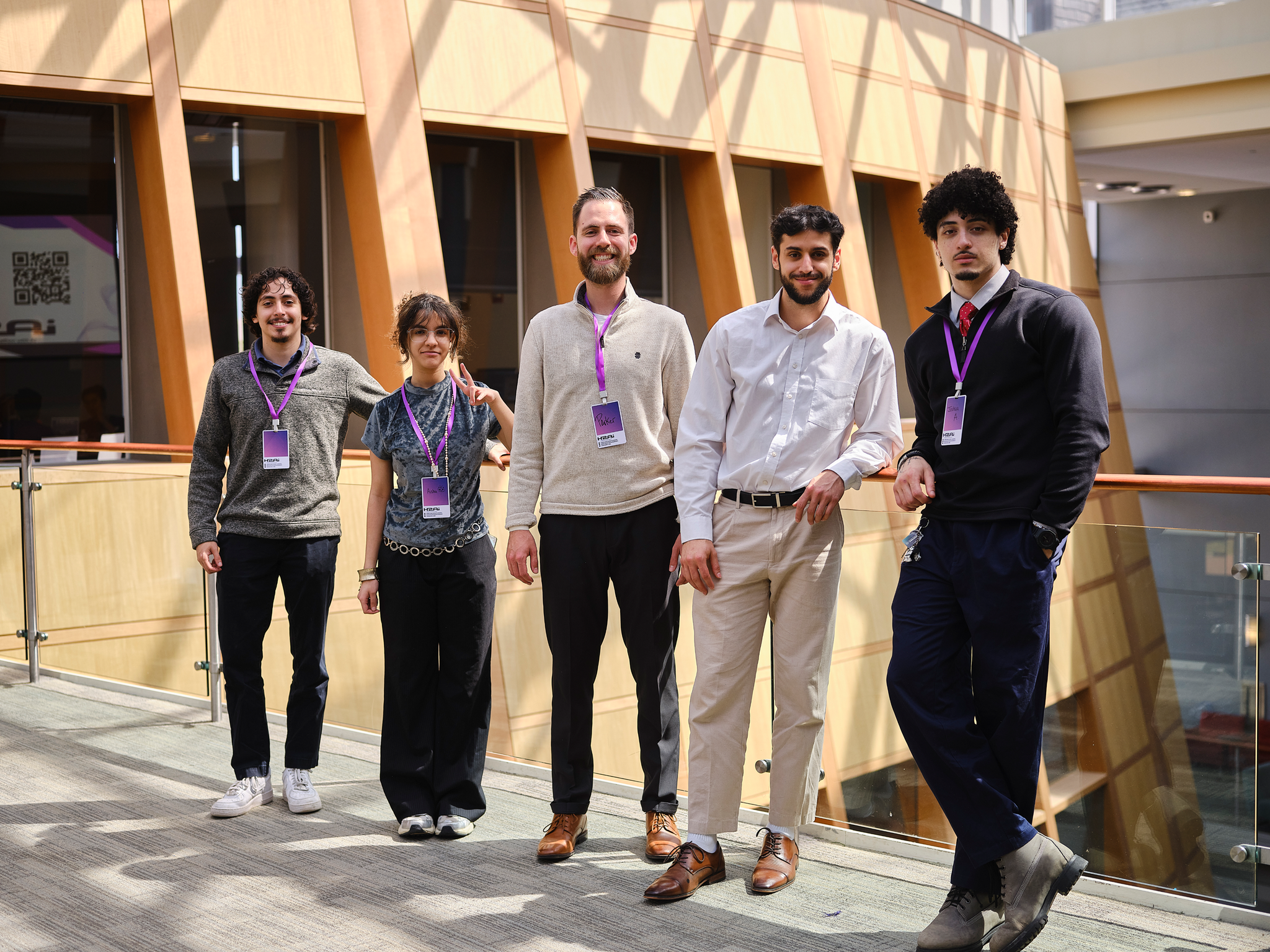
Dr. Jayaraman says, “What excites me about this moment in healthcare AI is that we finally have tools powerful enough to match that ambition. H2AI showed me that the next generation of builders isn't waiting — they're already doing the hard work of turning innovation into impact."
Related Resources
September 1, 2026
Science at Suki: Bringing scientific rigor to Ambient Clinical Intelligence
August 13, 2026
Ambient intelligence for engineers: Why we made Suki's platform native to AI development tools with MCP
June 10, 2026