The co-builder: How one doctor helped build a better future for the next generation of clinicians
June 29, 2026
Careers in medicine are notoriously demanding. The training takes forever. Then the hours are long and stressful. The administrative burden of medicine weighs heavily on a clinician’s mind. Patients need care, colleagues need support, residents need training. Doctors aren’t usually known for having a ton of free time and bandwidth. So why would a doctor take on an extra project, like helping a healthcare technology company build its product?
That’s exactly what we asked Dr. Michael Miller at his retirement party. His answer was simple: to help people. "I like giving my knowledge to make things better. And I've always felt like I wanted to do more,” he says. "I wanted something that was going to challenge me, and something that I could be a part of that would be helpful to others.”
Because Dr. Miller didn't just want to survive that administrative burden. He wanted to fix it.
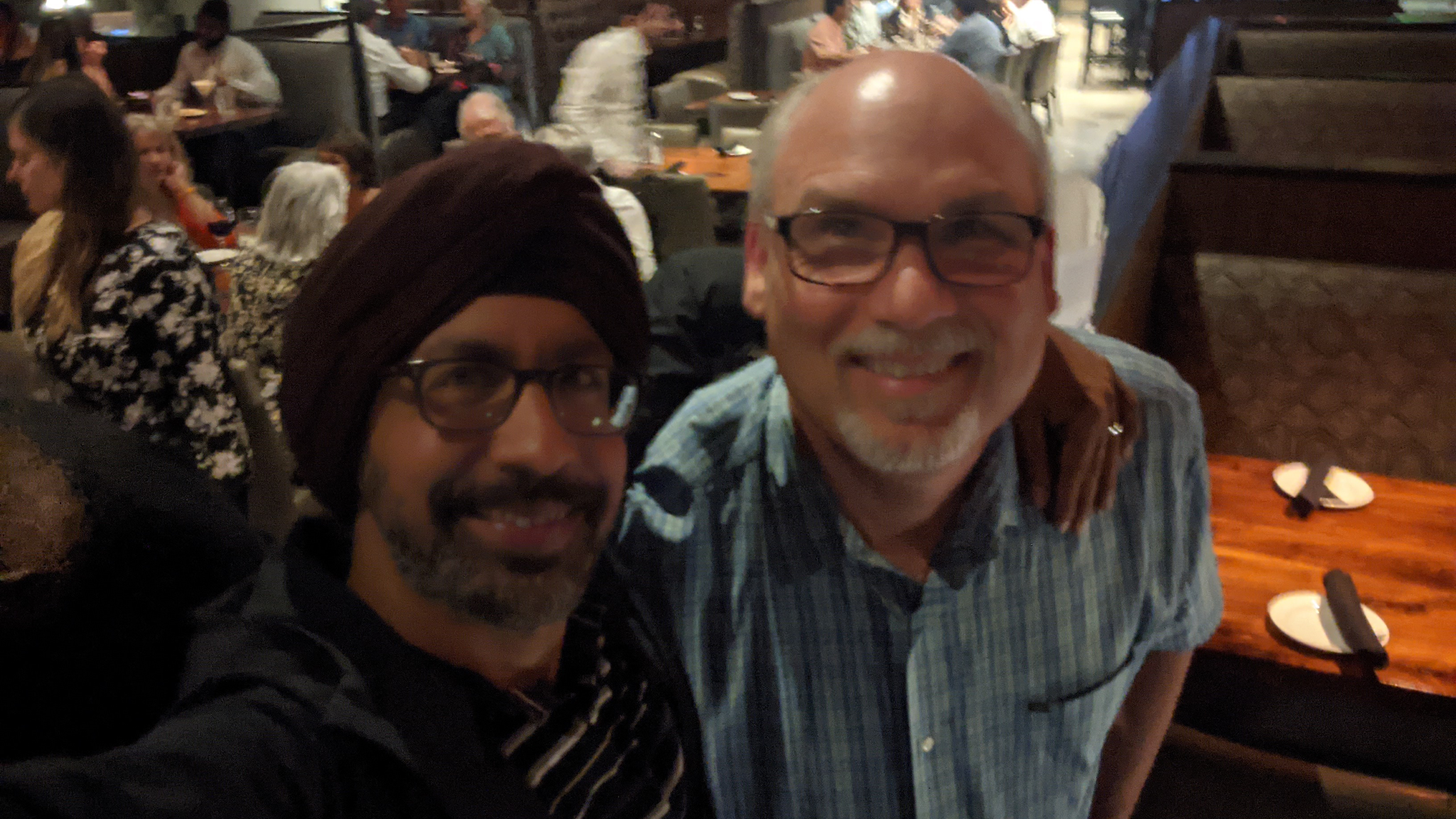
A meaningful collaboration
Around 10 years ago, Dr. Miller was approached by the chief medical information officer of his health system, Ascension Saint Thomas, about testing some new tools — one of which would eventually become Suki. He agreed. That’s when Suki founder and CEO Punit Soni flew from San Francisco to Nashville to sit down with Dr. Miller and explain his vision: not just voice dictation, but eventually a true AI infrastructure for medicine — Ambient Clinical Intelligence — that could remove the documentation burden from a clinician’s plate and give them back the thing that mattered most.
"When I listened to him," Dr. Miller says, "I realized there's something here, and this is going to be big."
Dr. Miller tested three systems. The other two, he notes, "promised the world" and couldn't deliver on their roadmaps. Suki was different. "Every time Suki said they would meet a certain roadmap goal, they not only met it, but they achieved it sooner than expected."
So he stayed involved. He gave feedback. He pushed for changes. And Suki listened. "The input was respected and appreciated," he says of the years of collaboration. “It was a two-way street. When I said these are things that should happen, they listened, and they made those changes."
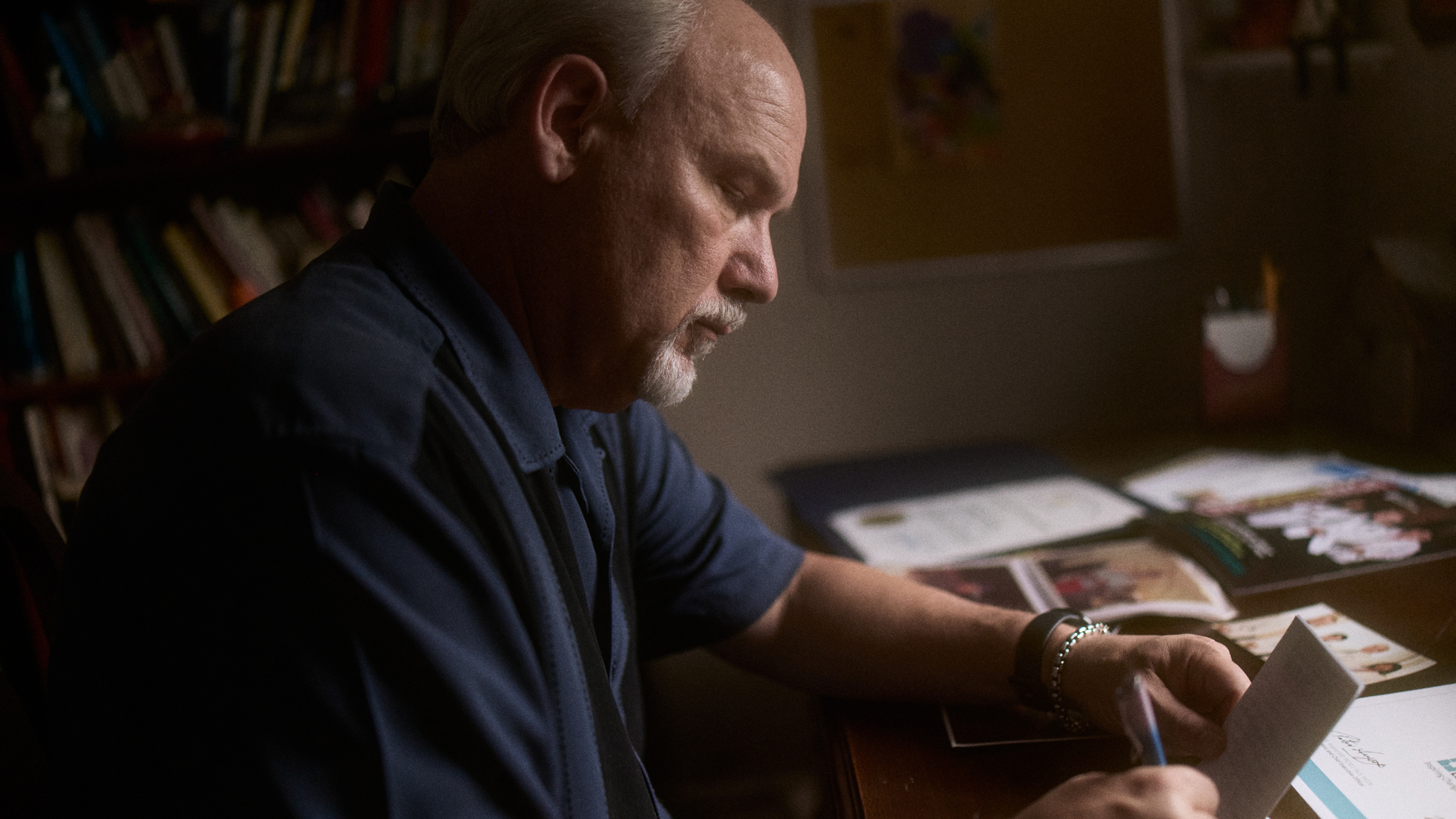
“He was one of our first users, and Suki would not be where it is without his support,” says Soni.
Dr. Miller also describes himself as a lifelong learner who stays curious and often finds himself studying new topics and exploring new ideas. So it’s no surprise to any of his family, friends, or colleagues that he took on the extra project of helping Suki build an AI tool to help doctors.
Beth Van Gilder, the COO at Ascension who worked alongside him for nine years, describes what made this collaboration unusual: "Particularly for a physician of his generation, they oftentimes have set routines and processes. 'This is how I'm going to do it, and I'm going to stick with that.' Dr. Miller embraced change, which was really unusual."
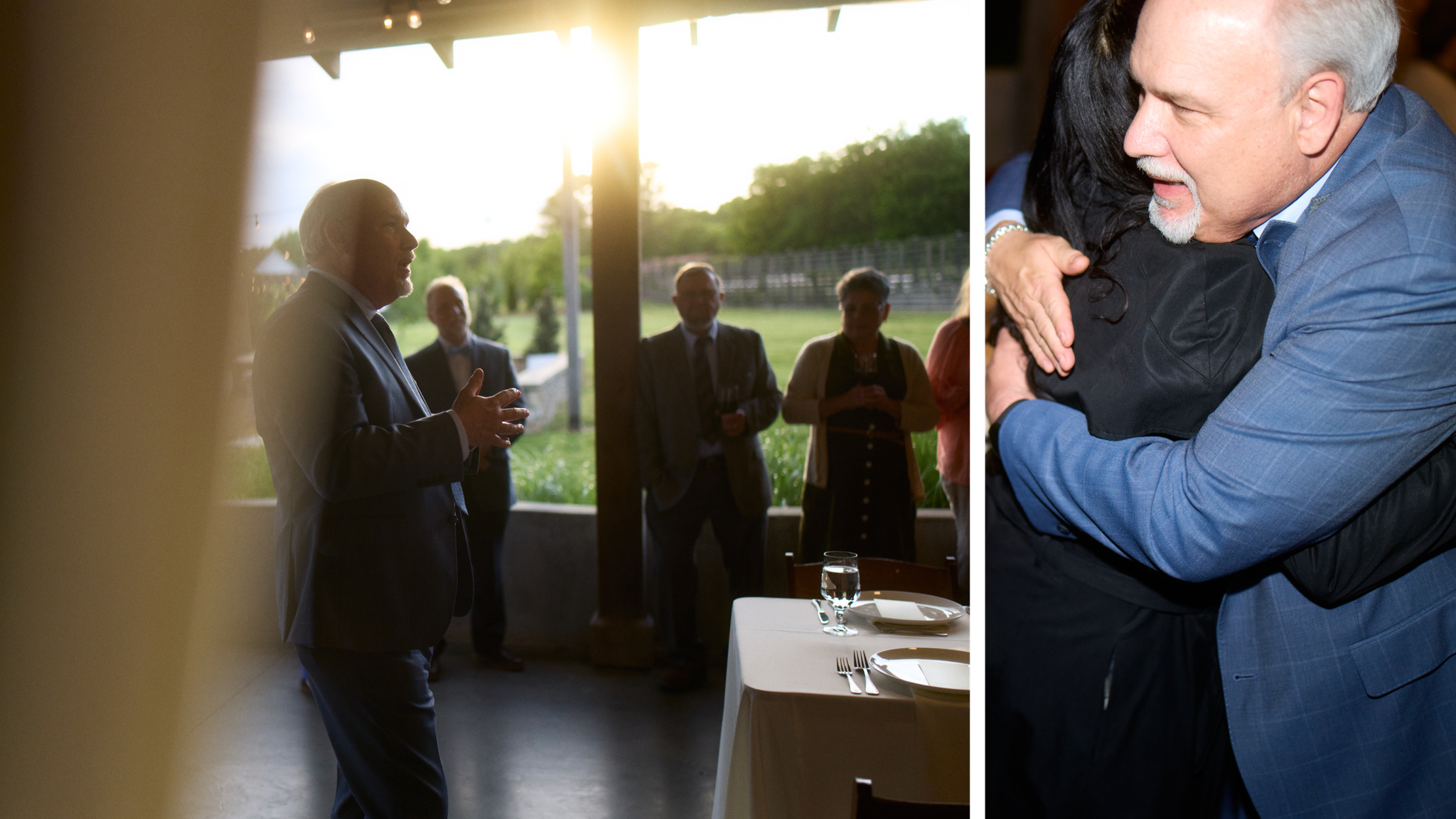
Planting trees for the future
It’s important to note that Dr. Miller took on the Suki project close to the end of his medical career. He’d thought about retiring; he could see the light at the end of the tunnel. So the future he was helping Suki to build wasn’t even really for him; it was for the generation of doctors coming after him. Building this tool for his successors in medicine brings to mind the old saying about a society that grows great when people plant trees whose shade they know they’ll never sit in.
As Dr. Miller says, “No one on their deathbed ever wished they had worked on more charts." His hope was that new clinicians starting out in their medical career wouldn’t have to waste hours of their lives staring at a computer screen finishing their notes instead of spending time with their loved ones.
And that vision has become a reality.
As his mentee and colleague Dr. Rachel Mehr says, "Suki has really allowed me to be present and participate fully in my life, and not miss out on important things."
Beth has watched this unfold across nine years and dozens of physicians. She's seen the data from engagement surveys that measured burnout among physicians using AI assistance versus those who weren't. "In my career, I've never seen anything be introduced to physicians that has significantly and almost immediately dropped their level of burnout. Seeing them not just come in every day and just be drained from the day-to-day grind, and actually, in a lot of cases, be excited to come in again, which they may not have felt for 10 or 15 years, is a huge uplift."
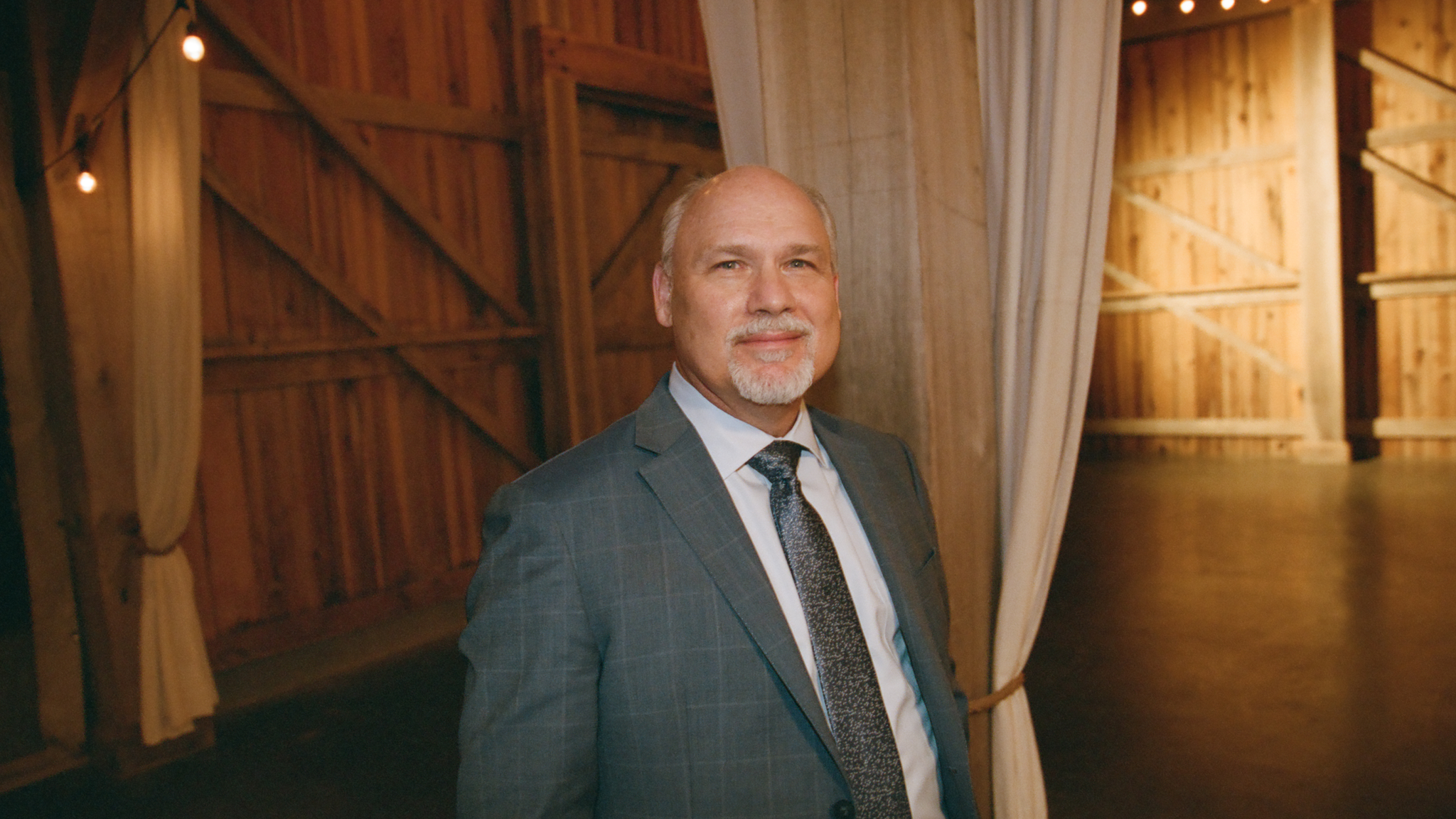
Built with clinicians, not just for them
Suki provides essential AI infrastructure for healthcare that powers every workflow while making more focused patient care possible. To do that, it must be built with a foundational level of clinical expertise that can only come from clinicians themselves. While Dr. Miller enjoys his well-deserved retirement, Suki continues to partner with practicing clinicians through our Suki Clinical Network and Suki Clinical Catalyst team, who help us build solutions that lift the administrative burden directly at the point of care, so clinicians can practice medicine the way they want.
The most valuable resource we have at Suki is the expertise of working clinicians. With these crucial insights, we’re able to build tools that reduce their administrative workload, improve documentation burnout, and help clinicians connect more deeply with patients, just like Dr. Miller did during his distinguished career.
Related Resources
September 24, 2026
Ambient Clinical Intelligence vs. AI Medical Scribe: What to Know
September 23, 2026
Why Ambient Clinical Intelligence is becoming core healthcare infrastructure — and who’s leading the shift
September 14, 2026